
The Maynard Fire Department’s Fire Prevention program consists of multiple areas concentrating on preventing human suffering by limiting or eliminating the potential for fire-related losses. Working under the Code of Massachusetts Regulations and the National Fire Protection Association (NFPA), the Maynard Fire Department is responsible for numerous categories of inspections, including, but not limited to:
- Smoke and carbon monoxide detector inspections.
- LP gas installations
- Oil burner installations
- Commercial cooking compliance inspections
- Tank Truck inspections
- Fire alarm installation, upgrade and repair inspections
- Sprinkler system installation, upgrade and repair inspections
- Underground storage tanks
- Annual inspections of Night Clubs and Bars for the Liquor License Renewal (Chapter 304 of the Acts of 2004)
- Annual Rooming House inspections
- Quarterly Theater inspections
- Annual inspections of state-operated residential facilities
- Quarterly fire drills in all schools and day care facilities
- Annual mercantile inspections
- Annual apartment building / multi-family inspections
The Maynard Fire Department currently performs these inspections utilizing on-duty operations personnel such as the Duty Captain and Firefighters. We are hopeful we can add a Deputy Fire Chief who will focus on Fire Prevention among other operational areas. We will also be looking at updating our by-laws as they apply to fire prevention and notification procedures in the coming years. We have implemented a comprehensive pre-fire planning program to ensure that firefighters have the most up to date and accurate information on a particular building as possible. We have also implemented a Fire Safety Survey Program that calls for commercial inspections on commercial occupancies on a bi-annual basis. A majority of our inspections are completed on I-Pads, and we can email results the building owner or occupant right on the spot. We complete about 900 inspections of all types annually, and we expect that number to continue rising each year.
Maynard Fire Department would like to share the following information from the Massachusetts State Fire Marshal’s Office:
Storage and Safe Use
- Always read and follow the manufacturer’s storage instructions.
- Store lithium-ion batteries and the devices they power at room temperature whenever possible. Don’t leave them in a hot car, in direct sunlight, or in freezing temperatures.
- Batteries stored near each other in the same space can be destructive. One battery overheating can set off a chain reaction where a greater overheating occurs.
- Never drop, puncture, or crush the battery.
- Store scooters and e-bikes outdoors if possible. If you must store them indoors, keep them away from doors, windows, and stairways.
- Always examine your lithium-ion batteries before storing them. Look for any irregularities in appearance or charge status.
If the Battery is Damaged
- Stop use immediately and remove it from the charger.
- Isolate from flammable materials.
- Avoid touching with bare hands.
- Stop using the battery if you notice an unusual odor, change in color or shape, leaking, or odd noises.If you can do so safely, move the device away from anything that can burn and call your local fire department.
- Keep the battery unplugged from the tool it powers when storing it long term.
- In case of contact with battery fluid, do not rub. Immediately flush with water.
Charging
- Read and follow the manufacturer’s charging instructions.
- Always use the manufacturer’s battery, cord, and power adapter made specifically for the device. Aftermarket and generic accessories have been linked to serious lithium-ion battery fires.
- Plug the charger directly into a wall outlet, not a power strip or extension cord.
- Don’t leave a device unattended while charging. Disconnect the charger when the device is fully charged: do not overcharge the device.
- Charge devices on a hard, stable surface — never on a bed, couch, or pillow.
Disposal
- Even when batteries appear completely nonfunctional, that does not make them safe. Batteries can continue to hold a charge, resulting in a danger to waste management companies.
- When finished, the lithium-ion batteries should be temporarily stored in a safe transport container and then taken to a separate hazardous waste collection point. Use this locator to find a safe battery recycling location near you.
For more information, visit: Massachusetts State Fire Marshal – Lithium-Ion Battery Safety. Residents are also encouraged to contact the department’s non-emergency business line for additional questions regarding the proper storage or disposal of batteries.

Yearly Fire Prevention Safety Information
2025

2024
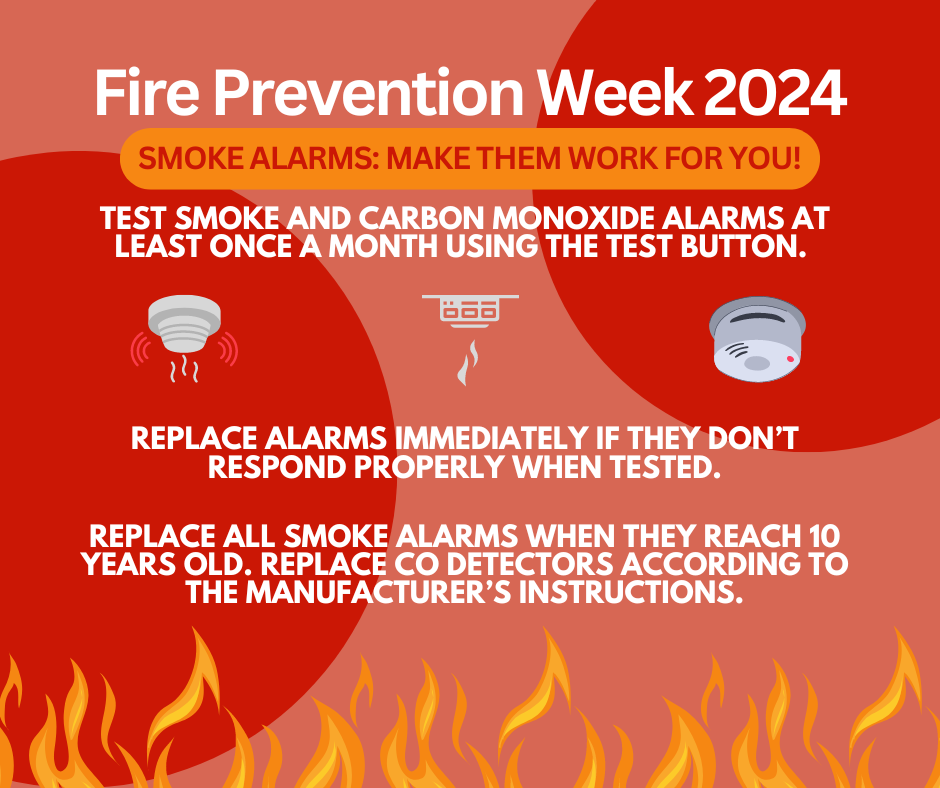
2023

Safety Tips
Hot Weather

Water Safety

Grilling Safety
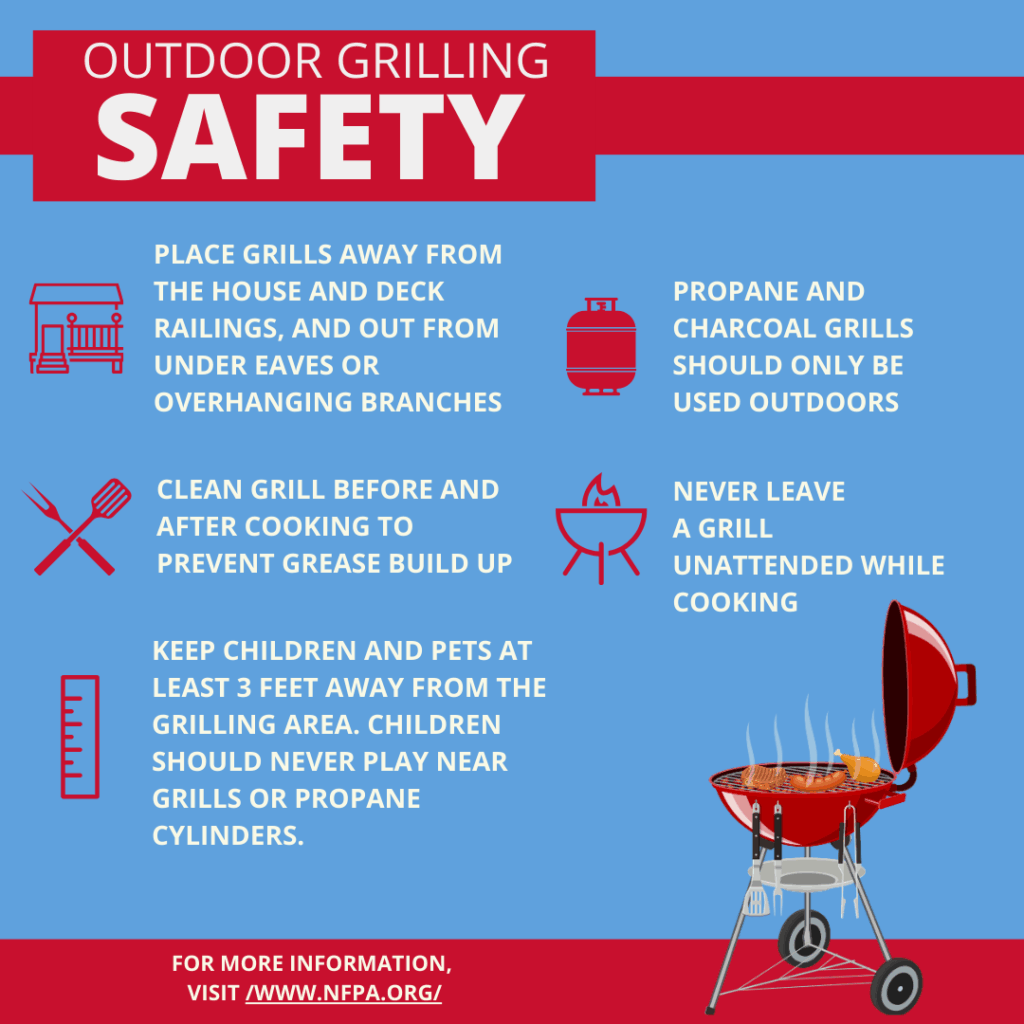
Open Burning

Holiday Decor
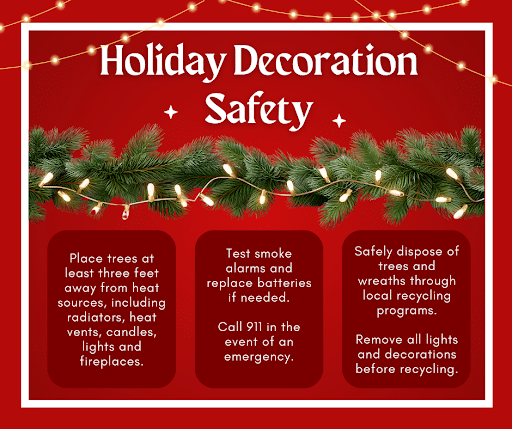
Holiday Cooking